Analyzing Authorization Pathways Linking Merchant Accounts to Subscription Billing Tools in Regional E-commerce Networks
Mara Simon · Aug 26, 2026
Analyzing Authorization Pathways Linking Merchant Accounts to Subscription Billing Tools in Regional E-commerce Networks
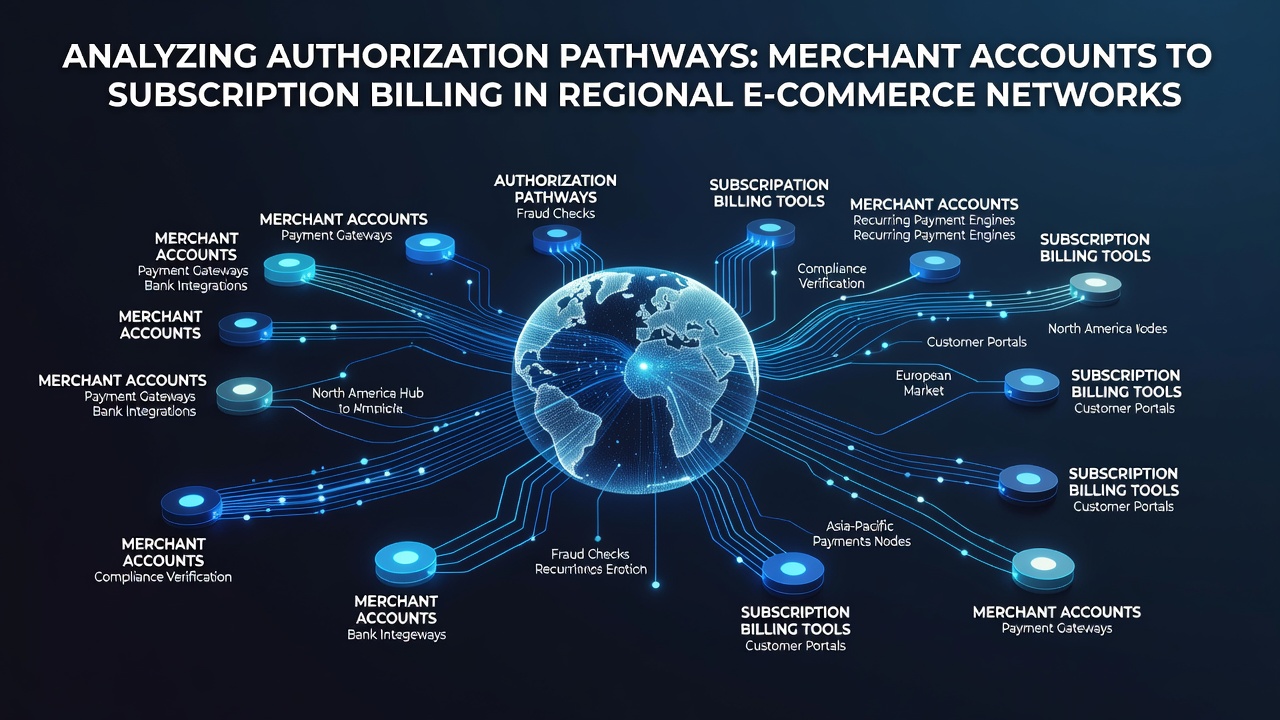
Regional e-commerce networks rely on authorization pathways that route transaction requests from merchant accounts through secure gateways before they reach subscription billing tools, and these pathways incorporate multiple verification layers while they comply with local payment standards. Observers note that the process begins when a customer initiates a recurring charge, at which point the merchant account forwards details to an acquirer bank that validates the request against card network rules. Data from payment system reports indicate that successful authorization depends on real-time checks for available funds, account status, and risk indicators, all of which occur within milliseconds across distributed servers.
Core Components of Authorization Flows
Authorization flows in subscription models involve token exchange protocols that replace sensitive card data with unique identifiers, and these tokens travel from the billing tool back to the merchant account for storage. Researchers have documented how regional processors apply different encryption standards during this exchange, whereas European networks often emphasize SEPA-compliant direct debits while North American systems prioritize card network token services. According to industry analyses, the pathway continues when the billing tool sends an authorization request to the issuer bank, which responds with approval codes that determine whether the subscription continues uninterrupted.
Regional Differences in Pathway Architecture
Asia-Pacific networks frequently integrate local payment schemes into authorization sequences, so merchants connecting to subscription platforms must accommodate multiple currency conversions and regulatory checkpoints in a single flow. In contrast, Latin American systems place heavier emphasis on fraud scoring engines that sit between the merchant account and the billing tool, and these engines evaluate transaction patterns before authorization proceeds. Figures from payment infrastructure studies reveal that pathway latency varies by region because of differing settlement times, with some areas requiring batch processing that delays final confirmation until the next business cycle.
Integration Points Between Accounts and Billing Tools
Subscription billing tools connect to merchant accounts through API endpoints that handle recurring authorization triggers, and these endpoints support both initial card validation and subsequent rebilling attempts without requiring new customer input. Experts observe that webhook notifications travel in the opposite direction to alert billing systems about authorization declines, allowing automated retries or customer notifications. As of August 2026, several regional processors updated their endpoint specifications to include additional metadata fields that improve dispute resolution tracking across borders.
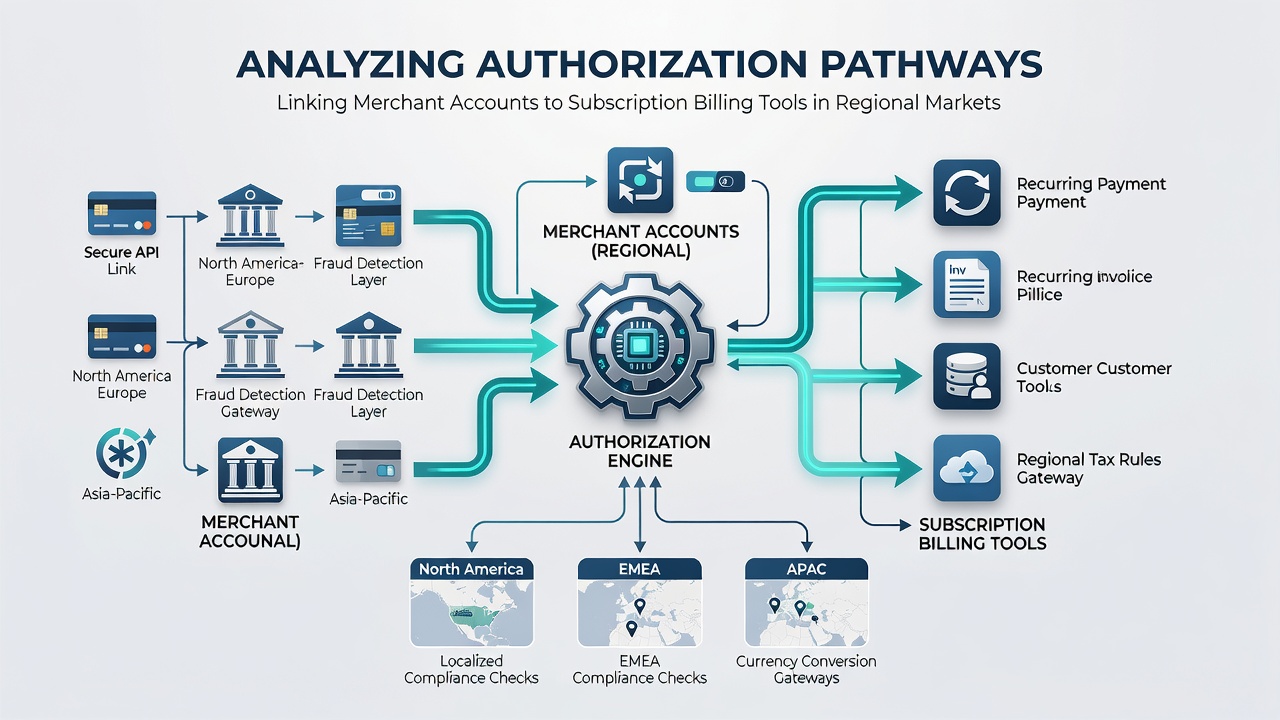
Security protocols embedded in these pathways require three-domain secure authentication for card-not-present transactions, and billing tools must pass liability shift requirements back to the merchant account when authentication succeeds. Government sources such as the European Central Bank payment integration reports detail how regional mandates influence the sequence of checks performed during each authorization attempt.
Data Handling and Compliance Requirements
Regional data protection rules dictate how authorization records move between merchant accounts and subscription platforms, and these rules often require localized storage of transaction logs for audit purposes. Observers note that billing tools must strip or encrypt personal identifiers before forwarding aggregated data to analytics systems, while merchant accounts retain full records for reconciliation. Research from academic payment studies shows that compliance gaps in authorization pathways lead to higher decline rates because issuers apply stricter filters when they detect inconsistent data formatting across regions.
Operational Challenges in Multi-Region Setups
High-volume subscription merchants encounter authorization pathway congestion during peak billing cycles, and regional network capacity limits can cause temporary spikes in soft declines that resolve once traffic normalizes. Those who manage cross-border operations report that aligning timezone-based settlement windows between merchant accounts and billing tools reduces reconciliation errors, although mismatches still occur when local holidays interrupt processing schedules. Industry reports from organizations like the Reserve Bank of Australia highlight how pathway monitoring tools now track authorization success rates by region to identify bottlenecks before they affect recurring revenue streams.
Conclusion
Authorization pathways that link merchant accounts to subscription billing tools in regional e-commerce networks continue to evolve through incremental updates to protocols and compliance frameworks, and these changes affect transaction success rates across different markets. Data indicates that businesses maintaining visibility into each stage of the authorization sequence experience fewer interruptions in recurring billing cycles, while regional variations require ongoing adaptation of integration methods. The overall structure supports secure, compliant movement of payment requests while it accommodates the distinct regulatory environments that govern e-commerce operations worldwide.