Analyzing the Effects of Instant Payout Features on Business Retention Rates in Service-Based Platforms
Mara Simon · Aug 31, 2026
Analyzing the Effects of Instant Payout Features on Business Retention Rates in Service-Based Platforms
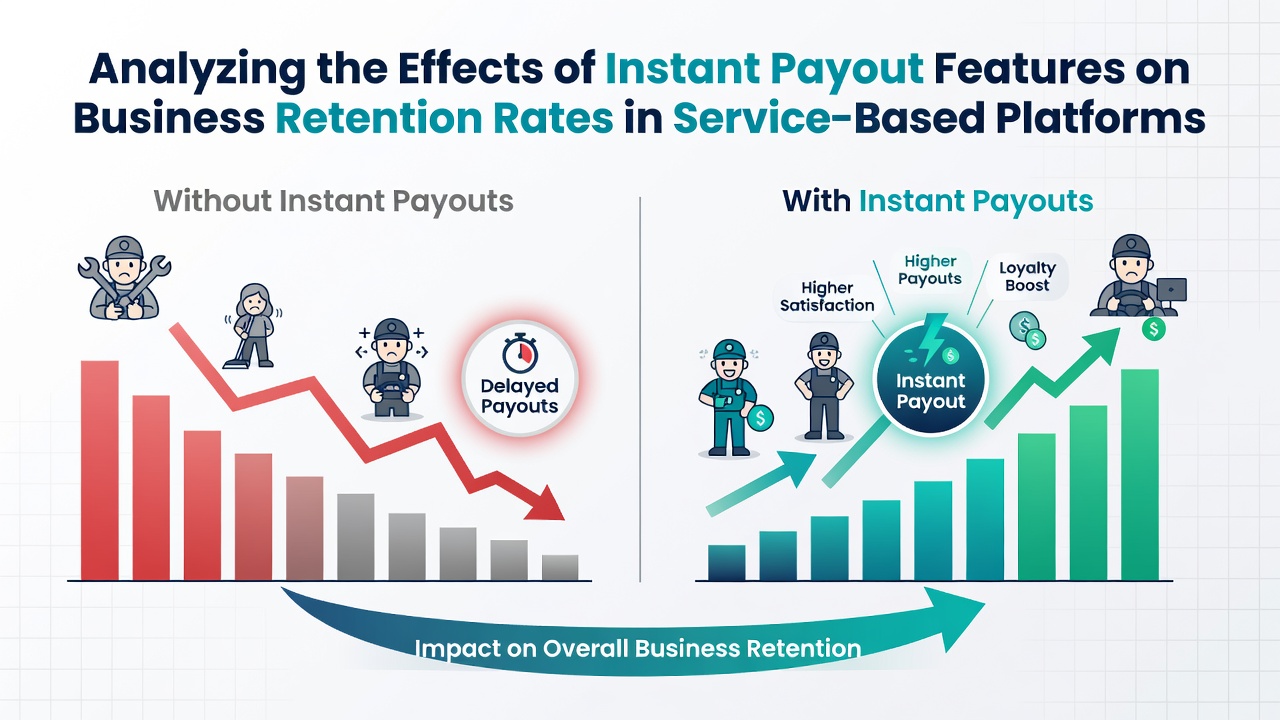
Service-based platforms have integrated instant payout features into their operations at an accelerating pace, and researchers tracking these shifts note measurable changes in how businesses maintain their presence on such systems. Platforms that offer same-day or near-real-time fund transfers allow service providers to access earnings without the traditional multi-day settlement delays, which alters cash flow dynamics for those providers. Data compiled across multiple sectors indicates that retention rates often rise when payout speed increases, though the extent of that rise depends on platform size, transaction volume, and the reliability of the underlying payment rails.
How Instant Payout Mechanisms Operate Within Service Ecosystems
Instant payout tools connect directly to banking networks and digital wallet systems, enabling funds to move from customer payments to provider accounts within minutes rather than the standard two-to-three business day window. Service platforms in ride-hailing, freelance marketplaces, and on-demand delivery sectors have adopted these tools, and observers tracking adoption patterns report that implementation typically requires partnerships with payment processors capable of handling accelerated settlement. The technical setup involves API connections that flag eligible transactions for immediate release, while risk controls such as velocity checks and identity verification remain active to limit exposure.
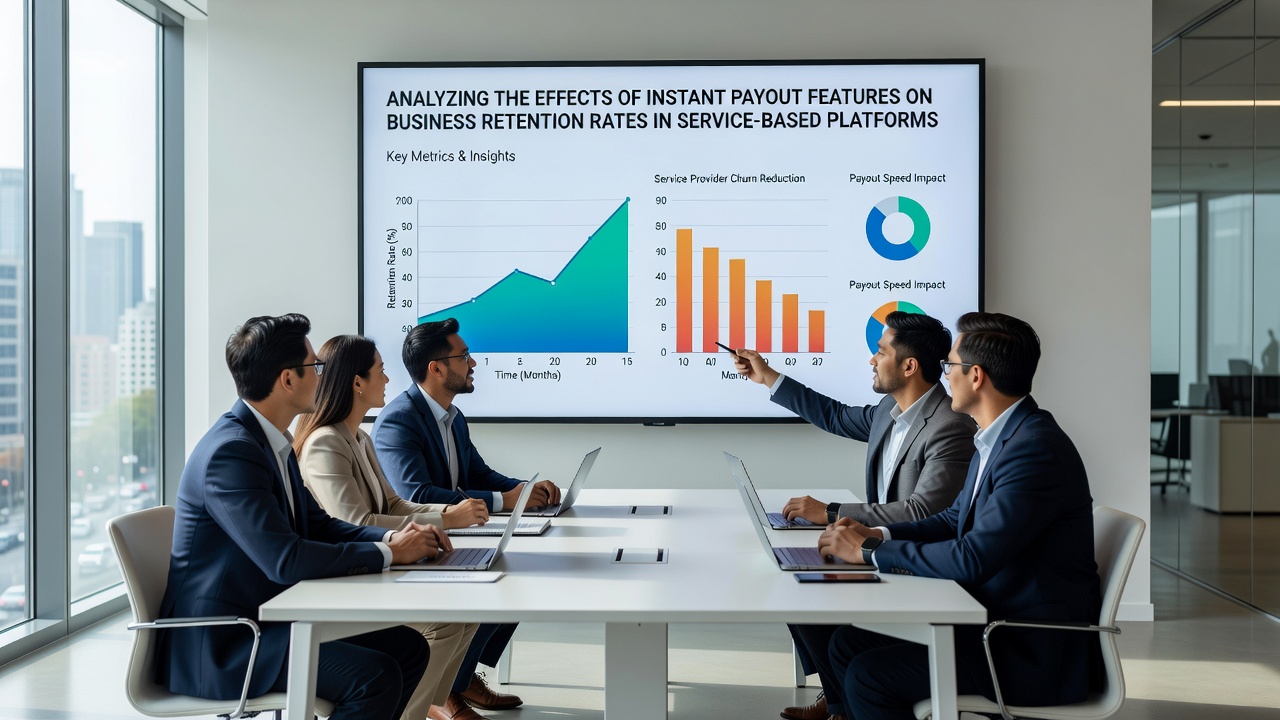
Studies conducted by academic institutions in North America and Europe show that businesses using platforms with instant options experience fewer interruptions in their participation compared with those limited to batch settlements. One analysis of data from 2024 through early 2026 revealed retention improvements ranging from 12 to 18 percent among providers who activated instant features, with the largest gains appearing in smaller operations that rely on daily revenue for operational continuity.
Retention Data and Platform-Specific Patterns
Retention metrics become clearer when segmented by payout frequency and average transaction size. Platforms that introduced instant payouts in 2025 recorded higher month-over-month provider activity, according to figures released by industry research groups. Providers who previously left after encountering cash-flow gaps returned at elevated rates once the feature became available, and longitudinal tracking shows sustained engagement extending beyond the initial six-month period.
What's interesting here is how geography influences outcomes. Service providers in regions with strong real-time payment infrastructure, such as those covered by the Faster Payments Service in the United Kingdom or the New Payments Platform in Australia, demonstrate stronger retention responses than providers in markets still transitioning to faster rails. Reports from the Reserve Bank of Australia highlight parallel trends in adoption speed and provider loyalty when instant settlement options expand.
Factors That Moderate the Retention Effect
Instant payouts do not operate in isolation, and retention gains depend on several interacting variables. Transaction fees attached to instant releases can offset some of the benefit, particularly for lower-volume providers, and data indicates that transparent fee structures correlate with stronger retention. Integration quality also matters, because delays in fund availability despite an instant label erode trust and increase churn.
Platform operators who combine instant payouts with clear communication about timing and costs see better results. One study examining European freelance marketplaces found that providers who received both instant access and explanatory notifications remained active 22 percent longer than those who encountered the feature without supporting information. Regulatory environments further shape these outcomes, with frameworks in Canada and the European Union requiring disclosures that affect how providers perceive and use the tools.
Case Examples From Service Platforms
Take the experience of a North American delivery platform that rolled out instant payouts in late 2025. Internal metrics showed provider retention climbing steadily through the first half of 2026, with the sharpest increases among drivers handling fewer than fifteen trips per week. A similar pattern emerged in a European freelance services platform, where data collected after the feature launch pointed to reduced account deactivation rates and higher average session times per provider.
Those who've examined these deployments note that the effect compounds when platforms layer instant payouts onto existing loyalty or rating systems. Providers with higher ratings gain faster access to funds under some models, which reinforces continued participation and creates a feedback loop visible in retention curves.
Looking Ahead From August 2026
As of August 2026, several major platforms continue to refine instant payout parameters in response to provider feedback and settlement cost data. Adjustments include tiered fee schedules and expanded eligibility windows, and early indicators suggest these refinements sustain the retention advantages observed earlier. Research groups tracking global payment trends expect further integration with open banking frameworks, which could widen access and extend retention benefits to additional provider segments.
Conclusion
Instant payout features produce measurable effects on business retention within service-based platforms, with the strongest outcomes appearing when speed, transparency, and supporting infrastructure align. Data from multiple regions and platform types demonstrate consistent patterns, while moderating factors such as fees and integration quality determine the scale of improvement. Continued monitoring through 2026 and beyond will clarify how evolving payment technologies sustain these retention dynamics across diverse service ecosystems.