Architectural Patterns Linking Account Structures to Scalable Digital Exchange Networks in Platform Ecosystems
Quinn Wolf · Jul 17, 2026
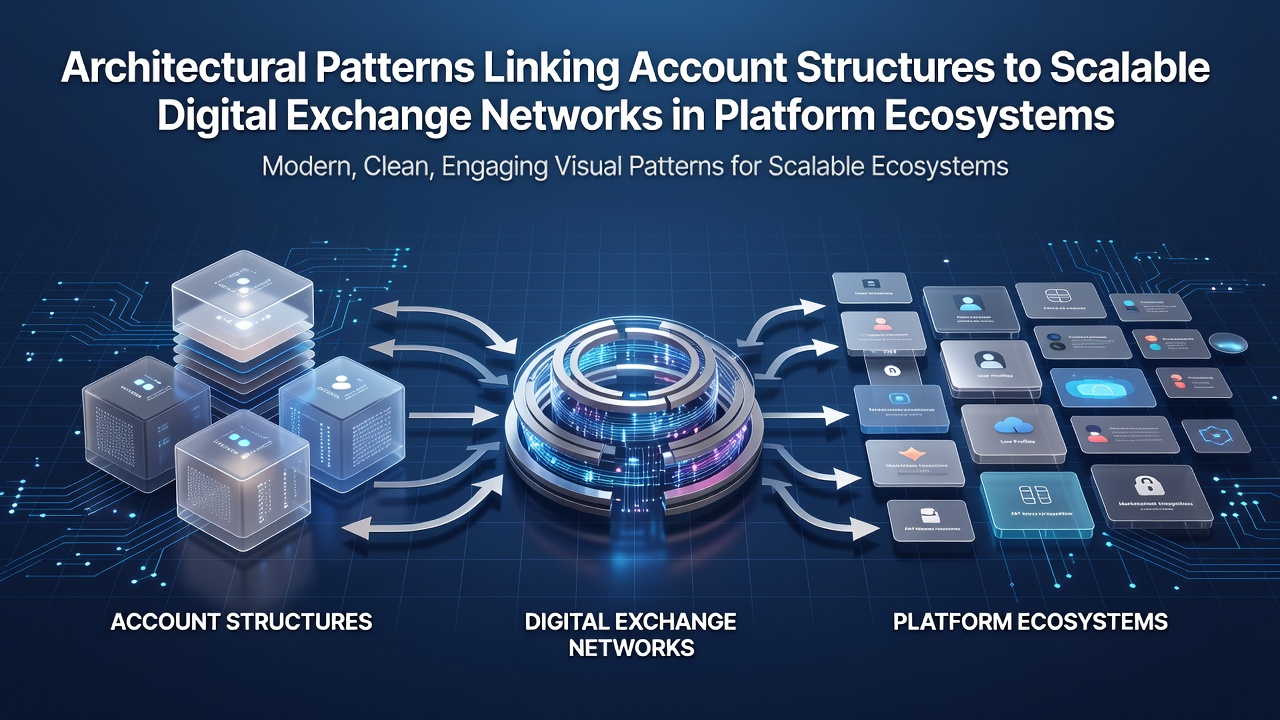
Architectural Patterns Linking Account Structures to Scalable Digital Exchange Networks in Platform Ecosystems
Platform ecosystems rely on architectural patterns that connect account structures directly to digital exchange networks, enabling growth while maintaining operational consistency across distributed environments. These patterns address how user identities, permissions, and transaction records integrate with broader systems for data sharing, service coordination, and resource allocation. Researchers have documented several recurring approaches that support scalability in multi-party platforms where accounts serve as entry points to exchange mechanisms.
Core Account Structures in Platform Settings
Account structures typically follow hierarchical or federated models that map individual or organizational entities onto network resources. Hierarchical designs place central directories at the core, with sub-accounts inheriting policies from parent nodes, while federated models distribute authority across independent domains that synchronize through standardized protocols. Observers note that both approaches appear in large-scale deployments where thousands of participants interact daily through shared interfaces.
Data from industry reports indicates that federated account models reduce single-point bottlenecks during peak loads, particularly when platforms expand into new geographic regions. As of July 2026, several major ecosystems have shifted elements of their account management toward federated patterns to accommodate regulatory requirements in multiple jurisdictions.
Patterns Connecting Accounts to Exchange Networks
Event-driven architectures represent one established pattern where account state changes trigger messages that propagate through exchange networks. These messages carry metadata about permissions and resource entitlements, allowing downstream services to respond without direct database queries. API gateway layers often sit between account stores and exchange endpoints, applying rate limiting and routing logic that scales horizontally as participant volume increases.
Another pattern uses graph-based representations to model relationships between accounts and exchange nodes. Nodes represent entities while edges capture interaction histories and access rights. This structure supports efficient traversal queries when platforms need to identify eligible participants for a given exchange opportunity. Studies from academic institutions have examined how graph databases improve query performance compared with relational alternatives in ecosystems exceeding one million active accounts.
Scalability Mechanisms and Network Integration
Sharding strategies partition account data across multiple storage clusters while preserving logical connections to exchange networks through consistent hashing or directory services. Load balancers and service meshes then direct traffic toward available shards, reducing latency for high-frequency interactions. Researchers have observed that platforms combining sharding with event sourcing maintain audit trails without compromising throughput during growth phases.
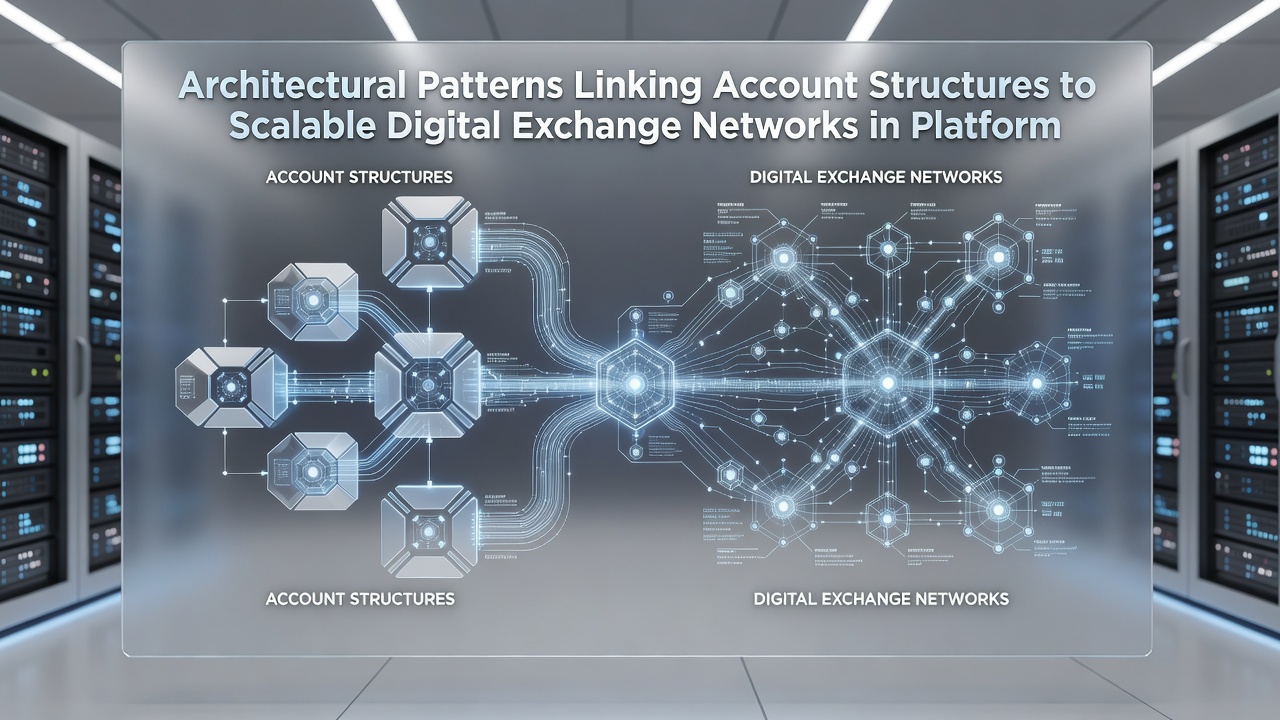
Container orchestration tools coordinate these components by deploying microservices that handle specific account-to-network functions. Observers note that service discovery protocols enable dynamic registration of new exchange endpoints, allowing networks to expand without manual configuration updates. Figures from the OECD reveal increasing adoption of orchestration platforms among digital service providers seeking to manage account growth alongside network complexity.
Observed Implementations Across Ecosystems
Take one large marketplace platform that adopted a layered pattern separating account authentication from exchange routing. Authentication services issue tokens containing claims that exchange nodes validate independently, reducing cross-service calls during high-volume periods. Another case involves a collaboration platform using publish-subscribe channels to broadcast account updates, ensuring that connected exchange services receive consistent views of participant status.
Those who have examined multiple deployments report that hybrid patterns often emerge when platforms merge legacy account systems with newer network fabrics. These hybrids combine centralized policy enforcement with distributed execution, balancing control requirements against performance demands. European Commission analyses of digital infrastructure have highlighted similar hybrid approaches in cross-border platform operations.
Conclusion
Architectural patterns that link account structures to scalable digital exchange networks continue to evolve as platform ecosystems expand. Hierarchical and federated account models, event-driven messaging, graph representations, and sharding techniques each address distinct aspects of integration and growth. Data indicates these patterns appear consistently across deployments that manage rising participant numbers and regulatory diversity. Continued observation of production systems will likely reveal further refinements in how account and network layers coordinate at scale.