Charting Automated Settlement Protocols That Influence Liquidity Management for Platform-Based Enterprises
Ulrich Baumann · Jul 10, 2026
Charting Automated Settlement Protocols That Influence Liquidity Management for Platform-Based Enterprises
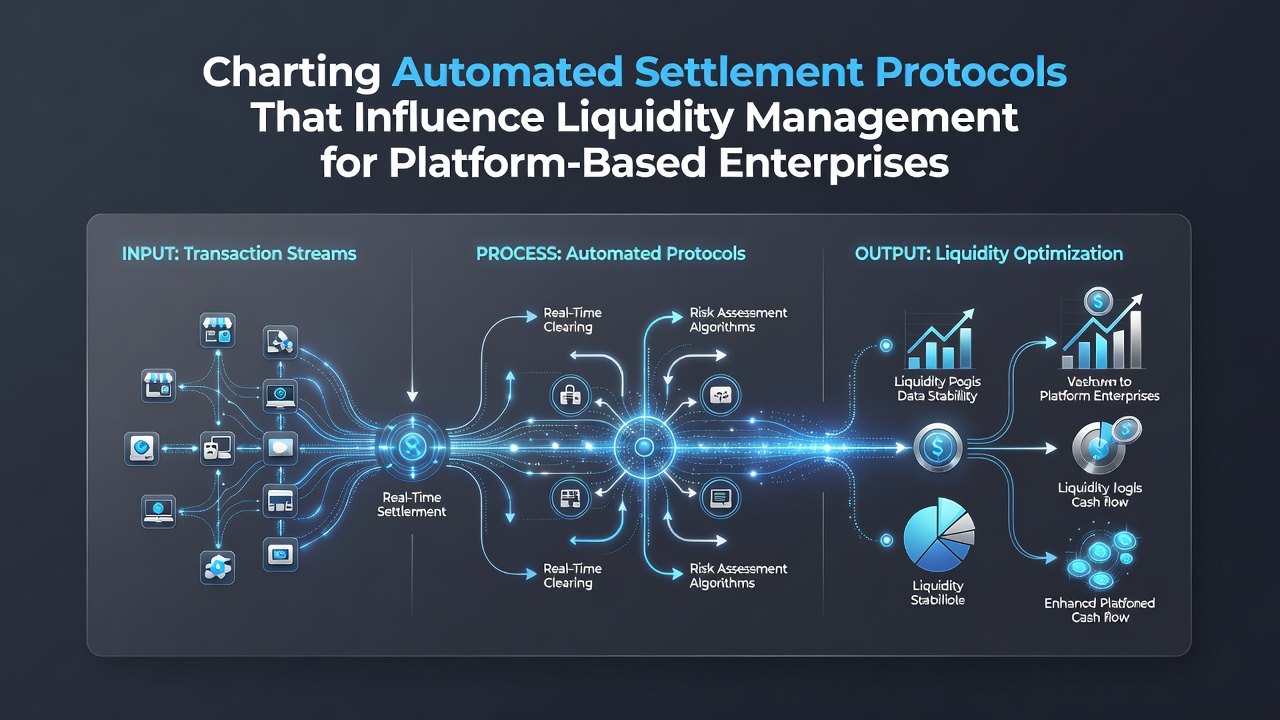
Platform-based enterprises rely on automated settlement protocols to move funds between merchants, users, and service providers without manual intervention. These systems process batches or real-time transfers through networks that connect banks, payment processors, and clearing houses. Data from the Bank for International Settlements shows that such protocols reduced average settlement times from multiple days to under 24 hours in many jurisdictions by mid-2025. The core components include message standards like ISO 20022, reconciliation engines, and rule-based triggers that release funds once predefined conditions are met. Platform operators integrate these protocols into their core infrastructure so that revenue from completed transactions flows into operating accounts on predictable schedules. This predictability supports daily cash forecasting models used by treasury teams.Core Protocol Types and Their Operational Roles
Real-time gross settlement systems handle high-value transfers individually and immediately, whereas net settlement systems aggregate obligations across multiple parties before final exchange occurs. Automated clearing house networks operate on fixed daily cycles that batch low-value items for efficiency. Platform enterprises often combine these approaches depending on transaction volume and counterparty risk profiles.
Observers note that hybrid models have gained traction because they balance speed with cost control. A single platform might route instant payments through a real-time rail while directing recurring vendor payouts through net settlement batches. The choice affects how quickly available balances update in internal ledgers and how much float remains outside operational reach.
Liquidity Timing and Cash Position Effects
Settlement automation changes the timing of inflows and outflows, which directly shapes minimum cash reserves that platforms must maintain. Faster protocols shrink the gap between transaction completion and fund availability, allowing enterprises to reduce precautionary balances held at banks. Slower cycles, in contrast, require larger buffers to cover obligations that arrive before incoming settlements clear.
Research from the European Central Bank indicates that platforms adopting automated real-time protocols experienced measurable declines in average daily liquidity needs during 2025. Those reductions freed capital for reinvestment or debt reduction without increasing overdraft exposure. Yet the same data reveals that platforms must still account for weekend and holiday gaps when certain rails remain closed.
Integration with Forecasting and Risk Systems
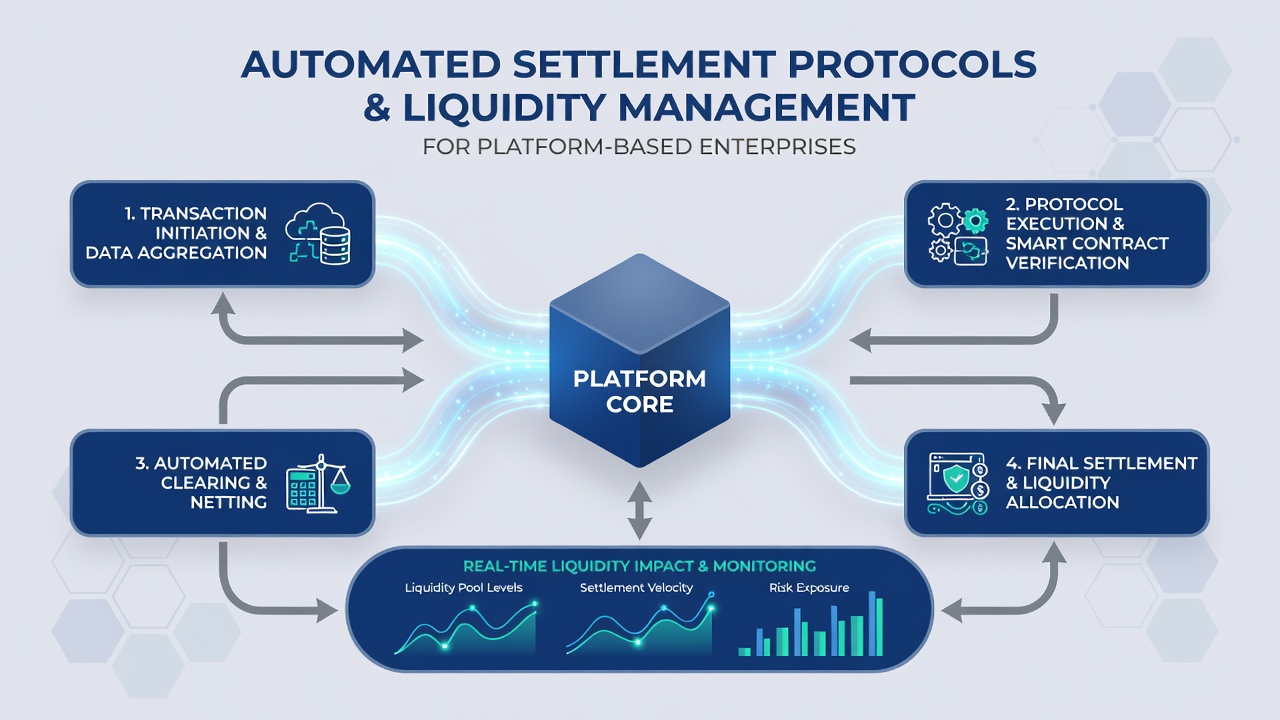
Modern treasury platforms embed settlement protocol data into liquidity forecasting algorithms. These systems pull scheduled settlement windows, expected failure rates, and historical variance to generate rolling cash position estimates. When protocols include automated retry logic or fallback rails, the forecasting models incorporate those contingencies so that projected shortfalls trigger pre-arranged credit lines only when truly necessary.
Platform operators also map settlement risk to counterparty exposures. If a protocol requires pre-funding before release, the enterprise must hold that amount in a segregated account until the cycle completes. This requirement creates a temporary lock-up that appears in liquidity coverage calculations used for regulatory reporting.
Developments Observed Through July 2026
By July 2026 several central banks had expanded operating hours for real-time settlement rails, including extensions into weekends in select markets. These changes altered weekend liquidity profiles for platforms that process cross-border payouts. Canadian and Australian regulators published updated guidance that requires disclosure of settlement cycle assumptions in liquidity stress tests submitted by large platform operators.
Industry reports from the same period document increased adoption of programmable settlement rules that tie fund release to delivery confirmations or service level metrics. Such rules reduce disputes that previously delayed final settlement and improved the accuracy of cash forecasts used by finance teams.
Conclusion
Automated settlement protocols continue to reshape liquidity management practices across platform enterprises by altering the speed, predictability, and cost of fund movements. Organizations that map protocol characteristics to their specific transaction patterns and integrate those details into forecasting tools maintain tighter control over cash positions. Ongoing regulatory updates through 2026 further influence which protocols remain viable for high-volume operations and how much reserve liquidity must be held against settlement risk.