Developer Pathways Connecting Encrypted Gateways to Fraud-Resistant Recurring Revenue in Emerging Platform Networks
Quinn Wolf · Aug 14, 2026
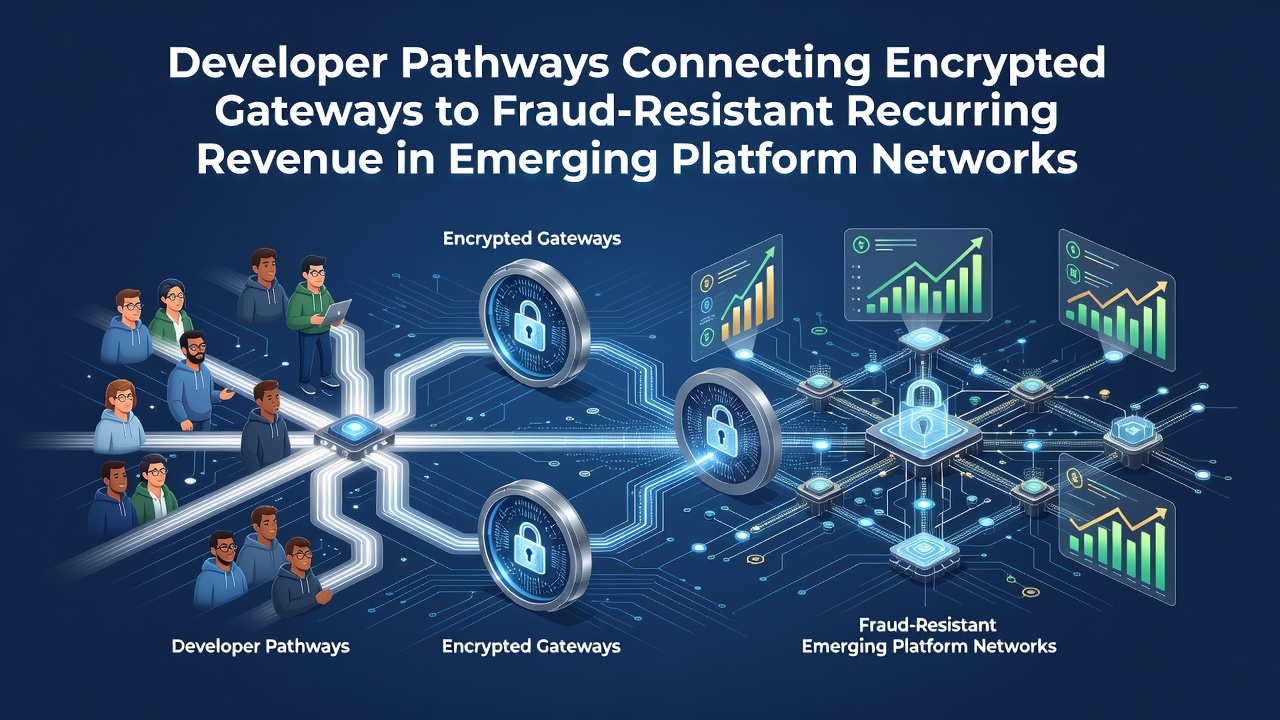
Developer Pathways Connecting Encrypted Gateways to Fraud-Resistant Recurring Revenue in Emerging Platform Networks
Developers building connections between encrypted gateways and recurring revenue systems face specific technical requirements in emerging platform networks, where secure data transmission supports subscription models that limit fraud exposure. Research from multiple institutions shows these pathways often rely on layered encryption protocols combined with real-time validation checks that process each billing cycle without exposing sensitive card details.
Encrypted gateways function as secure endpoints that route payment requests through tokenized channels, and when developers integrate these with platform APIs the resulting architecture handles recurring charges while maintaining compliance with data protection standards. According to Federal Reserve analyses on digital transaction security, such setups have contributed to measurable reductions in unauthorized recurring billing attempts across various network types since 2024.
Core Components of Gateway Integration
Platform networks that support recurring revenue depend on standardized developer tools for linking account structures to encrypted processing layers. These tools include SDKs that embed key management routines directly into application code, allowing automated rotation of encryption keys during each settlement period. Observers note that when developers follow documented pathway patterns the integration process reduces latency between authorization requests and fraud scoring engines.
Emerging networks frequently incorporate machine learning models that analyze transaction velocity and geographic signals before approving repeat charges. Data indicates these models achieve higher detection rates when fed inputs from encrypted gateway logs rather than from unprocessed merchant feeds. One study released in mid-2025 highlighted how platforms using unified key exchange protocols experienced fewer false declines during high-volume billing windows.
Fraud Resistance Mechanisms in Recurring Flows
Fraud-resistant recurring revenue requires continuous verification steps that operate between teh gateway and the platform backend. Developers implement these through webhook listeners that trigger secondary authentication when risk thresholds are crossed, and the process occurs without interrupting the subscription lifecycle for legitimate users. Figures from the European Central Bank on payment security reveal that networks adopting such layered checks recorded lower chargeback ratios in subscription categories during 2025 testing periods.
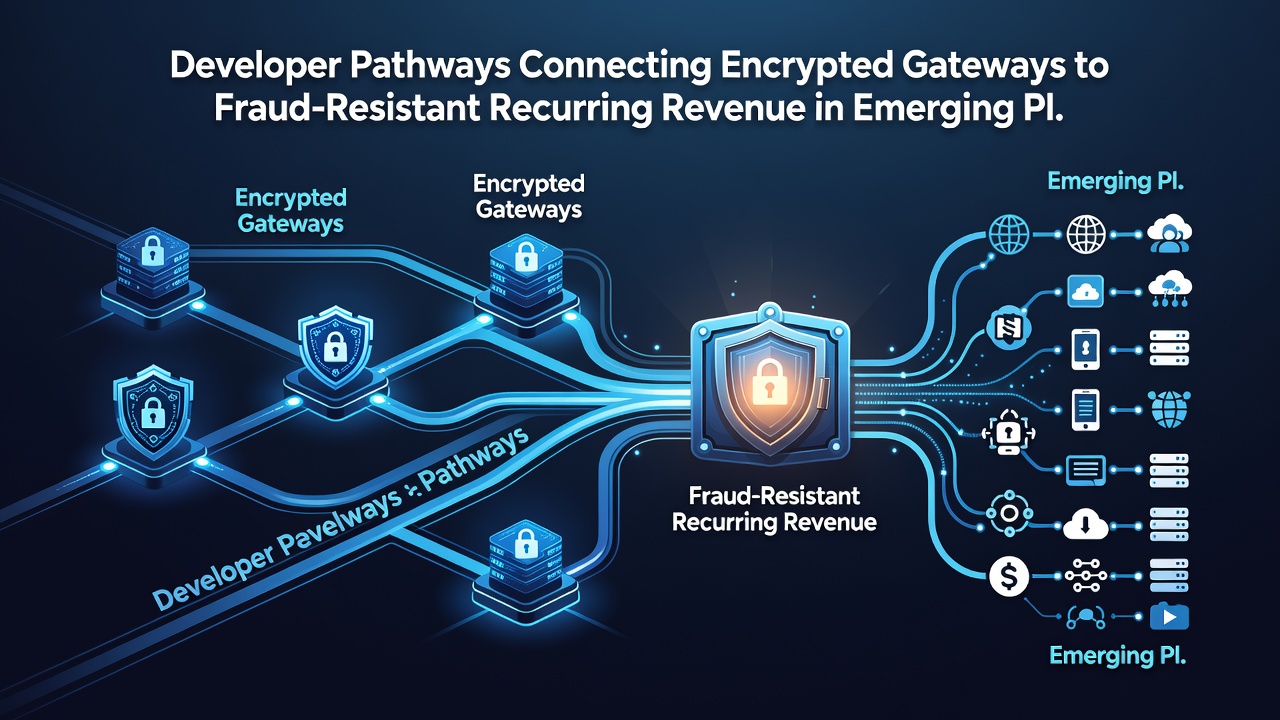
Tokenization plays a central role by replacing card numbers with unique identifiers that lose value outside the specific platform environment. When developers map these tokens through encrypted pathways the system maintains revenue continuity even if individual merchant accounts encounter temporary restrictions. Research published by academic teams at several technical universities demonstrates that token-based recurring models limit exposure windows compared with legacy direct-card storage approaches.
Developments Observed in August 2026
By August 2026 several platform operators had rolled out updated developer documentation that emphasized zero-trust principles across gateway connections. These updates introduced mandatory mutual TLS requirements for all recurring authorization calls, and early adoption metrics suggested faster onboarding for new merchants joining the networks. Industry reports compiled during that period documented how these changes aligned with evolving regulatory expectations in multiple jurisdictions.
Platform ecosystems continue to expand their support for multi-region billing through gateway configurations that route traffic according to local encryption standards. Developers who map these regional pathways correctly enable recurring revenue streams that comply with data residency rules while preserving fraud detection accuracy across borders. Evidence from transaction monitoring systems shows consistent performance improvements when such routing logic is embedded at the gateway level rather than handled downstream.
Conclusion
Developer pathways that link encrypted gateways to fraud-resistant recurring systems provide the structural foundation for revenue operations in emerging platform networks. The combination of tokenization, real-time validation, and standardized integration patterns supports secure billing cycles that scale with network growth. Continued refinement of these connections, guided by data from regulatory and research sources, sustains the technical conditions necessary for reliable subscription models.