Linking Transaction Networks with Customer Reward Systems in Brick and Mortar Retail
Ulrich Baumann · Sep 14, 2026
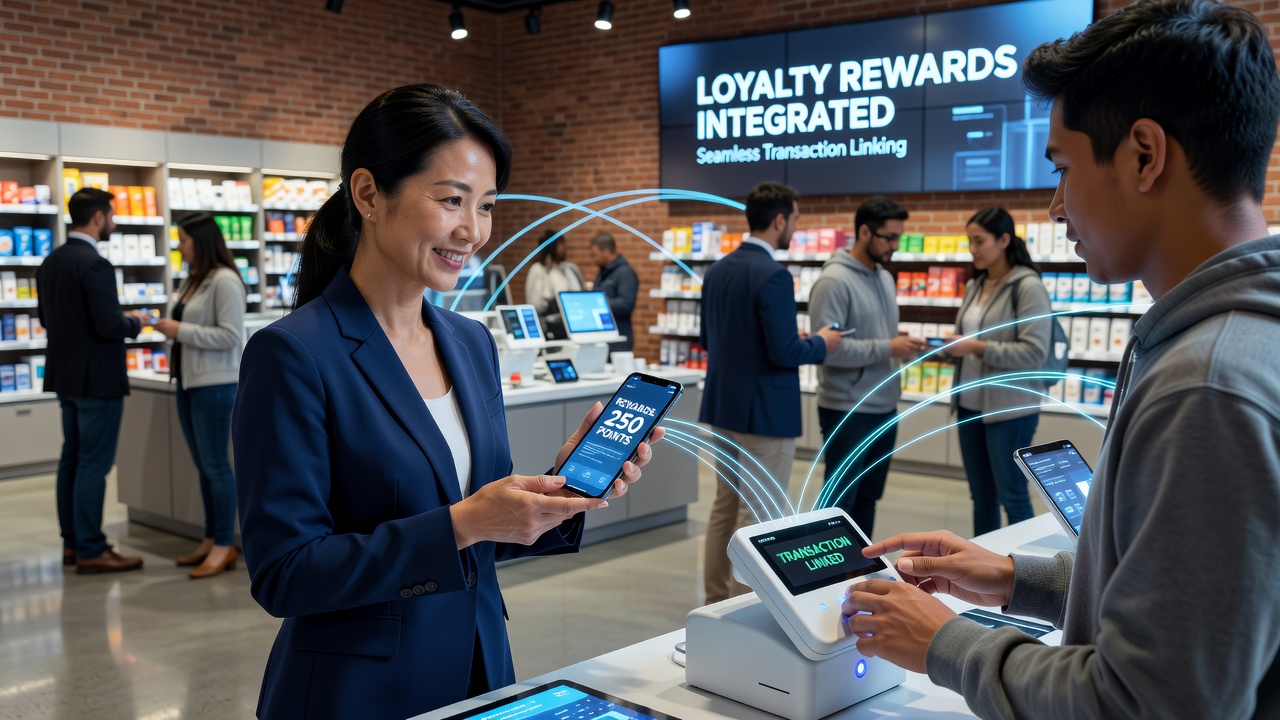
Linking Transaction Networks with Customer Reward Systems in Brick and Mortar Retail
Retail establishments connect transaction networks directly to customer reward systems through structured data exchanges that capture purchase details at the point of sale and feed them into loyalty platforms for point allocation and personalized offers, and this linkage relies on standardized protocols that allow payment processors to share anonymized transaction identifiers with reward databases while maintaining compliance with data protection requirements.
Core Components of Transaction Networks in Physical Retail
Transaction networks in brick and mortar settings process payments through terminals that communicate with acquirers and card networks, generating records that include timestamps, amounts, merchant identifiers, and payment methods, and these records form the foundation for reward system integration because they provide the verifiable purchase data needed to trigger loyalty benefits without requiring separate customer input at checkout.
Hardware terminals updated in recent years support expanded data fields that transmit loyalty account numbers alongside payment authorization requests, allowing simultaneous processing of both functions in a single interaction, and software layers at the merchant level route these combined payloads to separate endpoints for payment settlement and reward tracking.
Integration Methods and Data Pathways
Application programming interfaces serve as the primary bridge between transaction networks and reward systems, transmitting structured data packets that map purchase events to customer profiles using tokenized identifiers to limit exposure of sensitive information, and middleware solutions often handle the translation between proprietary terminal formats and standardized loyalty schemas adopted by major retail chains.
Batch processing occurs at the end of each business day when accumulated transaction files upload to central servers for reward calculation, yet real-time capabilities have expanded through cloud-based connections that update customer balances within seconds of a completed sale, and observers note that this shift reduces discrepancies between in-store purchases and subsequent reward redemptions.
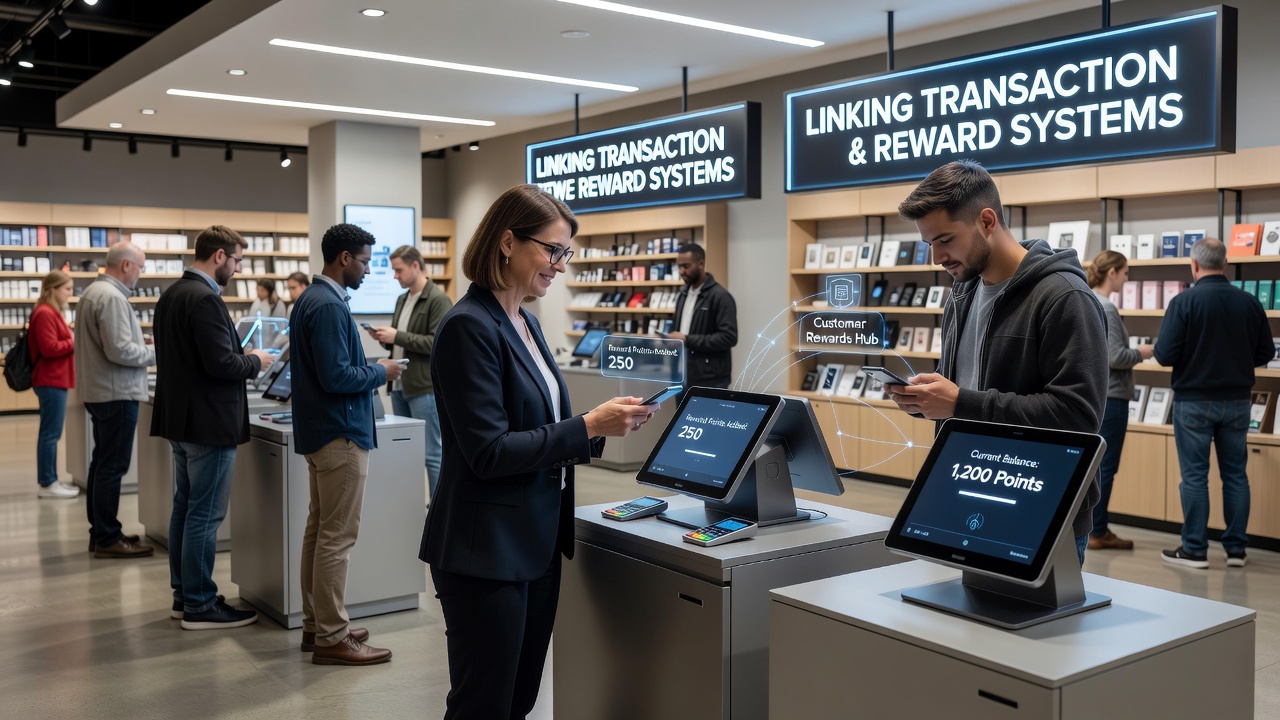
Operational Impacts on Retail Establishments
Retailers that establish these linkages report measurable increases in repeat visit frequency because reward accumulation creates incentives tied directly to transaction history, and inventory management systems benefit when purchase patterns extracted from integrated data reveal seasonal demand shifts that align with targeted promotions sent through the reward platform.
Staff training programs now incorporate procedures for handling loyalty-linked transactions to ensure customers receive immediate confirmation of points earned, and troubleshooting protocols address cases where network latency delays reward updates, requiring fallback manual entry processes that reconcile with transaction logs later.
Developments Observed Through September 2026
By September 2026 several regional payment associations had published updated specifications for loyalty data fields within authorization messages, enabling broader participation from smaller merchants who previously lacked the infrastructure to connect their terminals to external reward engines, and these specifications emphasize encryption standards that protect customer identifiers during transit between networks.
Studies conducted by academic institutions such as the Bank for International Settlements have examined how integrated systems influence settlement times across multiple payment rails, revealing that reward-linked transactions require additional validation steps that extend authorization windows by fractions of a second yet maintain overall throughput when optimized routing is applied.
Security and Compliance Considerations
Encryption of loyalty identifiers occurs at the terminal level before data leaves the store network, and tokenization services replace actual account numbers with temporary references that reward platforms use for matching purposes, thereby reducing the scope of potential breaches while still allowing accurate point attribution across different store locations.
Regulatory frameworks in various jurisdictions require explicit consent mechanisms for sharing transaction details with reward partners, and merchants implement these through updated terms displayed at checkout or pre-enrollment agreements that customers accept when joining loyalty programs, and audits verify that data sharing remains limited to the minimum necessary for reward calculation.
Conclusion
The linkage between transaction networks and customer reward systems in brick and mortar retail continues to evolve through incremental protocol updates and expanded terminal capabilities that support richer data exchange without compromising settlement speed or security standards, and ongoing refinements in these connections allow retailers to leverage purchase records for program management while adhering to established privacy and operational guidelines.