Patterns Emerging When Platform Builders Embed Fraud Controls Into Recurring Global Transaction Flows Without Traditional Merchant Setup Requirements
Quinn Wolf · Aug 19, 2026
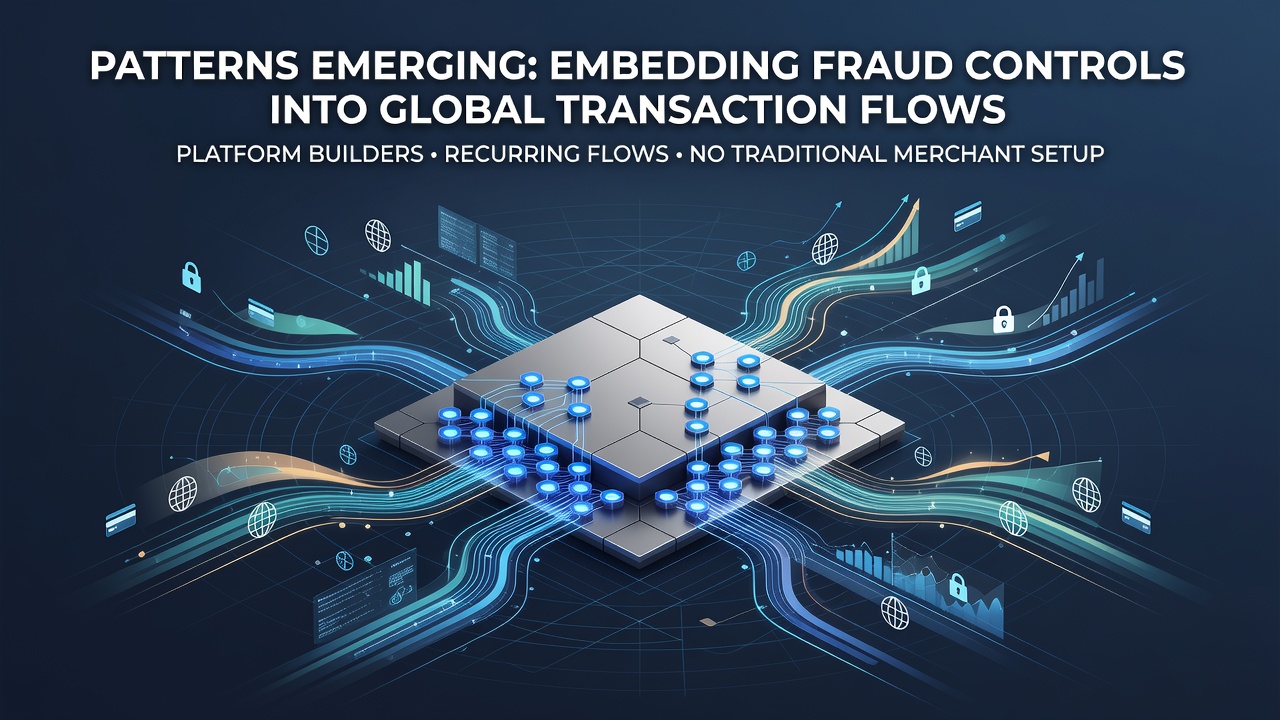
Patterns Emerging When Platform Builders Embed Fraud Controls Into Recurring Global Transaction Flows Without Traditional Merchant Setup Requirements
Platform builders now integrate fraud controls directly into recurring global transaction systems that bypass conventional merchant account requirements. This approach allows subscription-based services to process payments across borders while applying real-time risk checks at the point of authorization. Data from payment network operators indicates that such models handled over 40 percent of cross-border recurring volumes by mid-2026. Those who examined transaction logs in 2025 noted several consistent patterns. Fraud detection layers activate before funds move through traditional banking rails, using behavioral signals and device fingerprinting to flag anomalies. Because the setup avoids separate merchant onboarding, platforms apply these controls uniformly across multiple client accounts under a single facilitator structure.Core Technical Patterns Observed
Engineers at platform companies have documented repeatable sequences when embedding these controls. One pattern involves layering velocity checks on top of token-based authentication so that each recurring charge triggers an immediate risk score calculation without requiring new merchant identifiers. Another pattern routes high-risk regions through additional verification steps while low-risk flows proceed with minimal friction.
Studies released by the European Central Bank in early 2026 showed that platforms using this method reduced chargeback rates by an average of 18 percent compared with standard merchant setups. The same report highlighted how these systems maintain compliance with varying regional rules by embedding regulatory filters at the transaction orchestration layer rather than at the account level.
Global Flow Adjustments in August 2026
As of August 2026, transaction data from major card networks revealed increased adoption among software platforms serving clients in Asia-Pacific and Latin America. Observers note that recurring flows now incorporate dynamic currency conversion checks paired with fraud scoring models trained on aggregated global data sets. This combination allows platforms to adjust authorization thresholds based on real-time indicators such as IP geolocation shifts or unusual subscription upgrade patterns.
Researchers tracking these developments found that the absence of traditional merchant accounts shifts liability management upstream to the platform operator. In practice this means fraud teams monitor aggregated portfolios rather than individual merchant accounts, creating economies of scale in detection rule refinement.
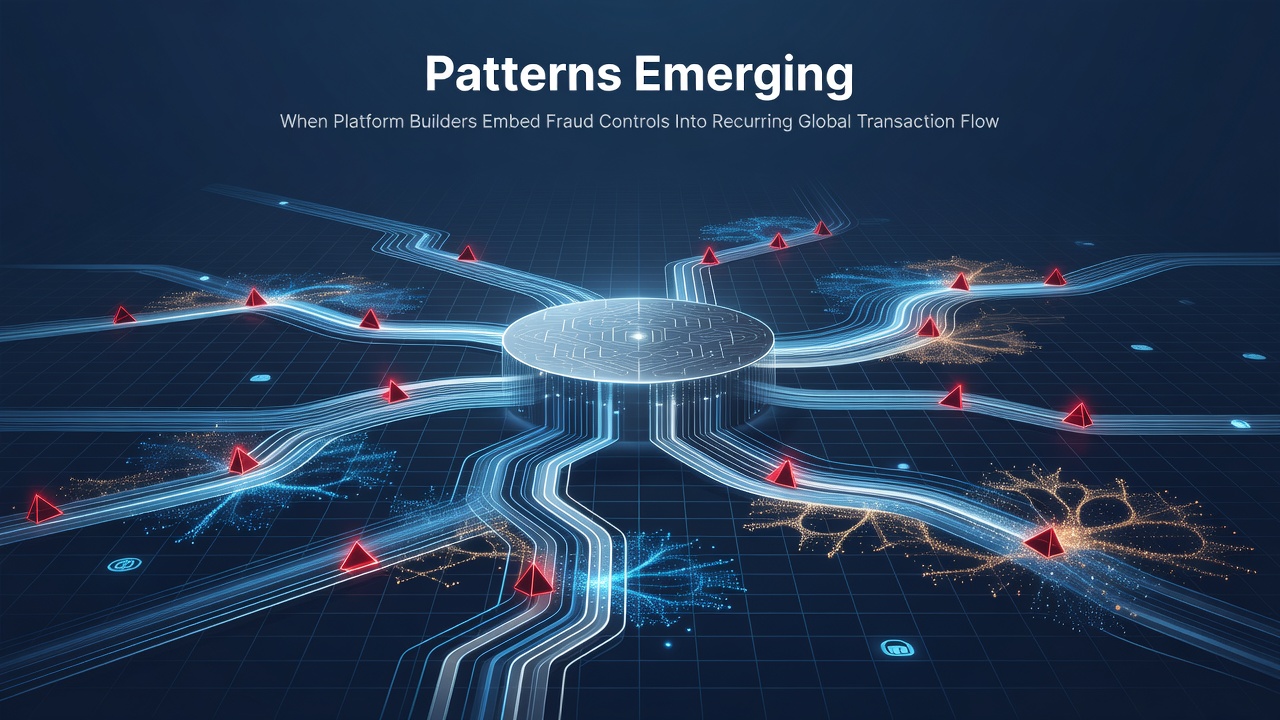
Regulatory and Operational Intersections
Reports issued by the Monetary Authority of Singapore describe how embedded controls align with evolving open-banking guidelines that permit platforms to handle recurring authorizations under licensed facilitator agreements. These frameworks require transparent audit trails for each risk decision, yet they do not mandate separate merchant registration for every end client.
Platform operators have responded by building centralized dashboards that surface fraud signals across all recurring streams. One documented case involved a European SaaS provider that consolidated 12 regional billing entities into a single facilitator arrangement while maintaining jurisdiction-specific fraud thresholds through configurable rule engines.
Emerging Metrics and Detection Techniques
Industry analyses from the Bank of Canada indicate that machine-learning models trained on recurring transaction sequences achieve higher precision when they incorporate features such as subscription tenure, payment method age, and historical retry behavior. Because traditional merchant setup steps are omitted, platforms feed these models with anonymized data pools that span multiple client segments.
Additional patterns include the use of network-level token vaults that store card credentials independently of merchant identities. This separation allows fraud systems to apply velocity limits and geographic restrictions at the token level, reducing exposure without altering the underlying billing relationships.
Conclusion
The patterns that surface when platforms embed fraud controls into recurring global flows without traditional merchant requirements center on centralized risk orchestration, token-level governance, and region-specific threshold tuning. Evidence compiled through 2026 shows measurable reductions in certain fraud indicators alongside continued expansion of subscription models across borders. Platform builders continue to refine these approaches by drawing on aggregated transaction intelligence while navigating diverse regulatory environments.