Specialized Techniques for Connecting Software Platforms to Transaction Networks Supporting Protected Worldwide Client Subscriptions
Mara Simon · Jun 19, 2026
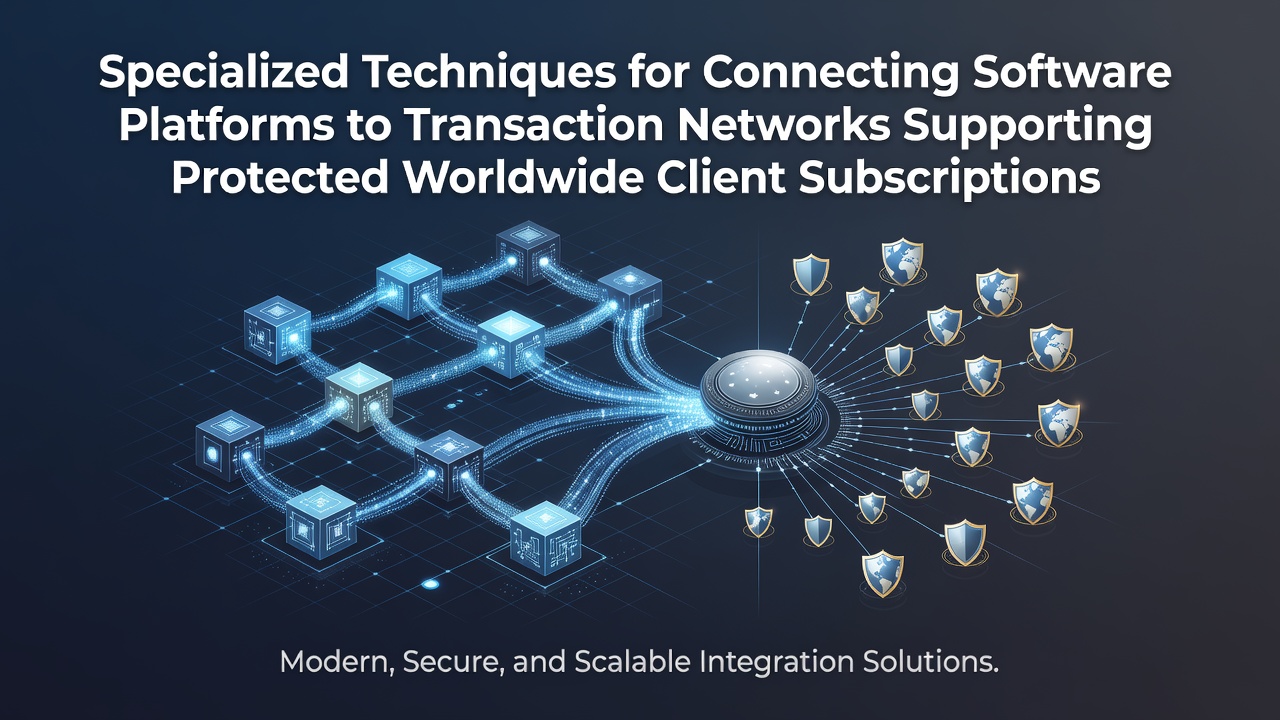
Specialized Techniques for Connecting Software Platforms to Transaction Networks Supporting Protected Worldwide Client Subscriptions
Software platforms that manage worldwide client subscriptions require precise methods to link with transaction networks while maintaining data protection across borders, and these connections rely on layered protocols that handle authentication, data routing, and compliance checks simultaneously. Organizations implement dedicated middleware layers that translate internal platform commands into standardized formats accepted by international payment processors, which reduces mismatches during high-volume subscription renewals that occur daily in multiple time zones.
Core Connection Protocols and Standards
Developers often select ISO 20022 messaging standards when building these links because the format supports detailed remittance data alongside payment instructions, allowing platforms to attach subscription identifiers without separate transmissions. This approach integrates smoothly with networks operated by clearing houses in regions such as the European Union and the Asia-Pacific zone, where regulators updated reporting requirements ahead of June 2026 deadlines. Secure sockets layer alternatives like mutual TLS provide certificate-based verification at both ends of each session, and platforms combine this with short-lived access tokens generated through OAuth 2.0 flows to limit exposure windows during continuous subscription billing cycles.
Encryption and Access Control Methods
End-to-end encryption applies at the payload level using AES-256 algorithms before data leaves the platform environment, while network-level protections add IPsec tunnels for traffic traveling over public internet segments. Access controls incorporate role-based permissions that restrict which software modules can initiate transaction requests, and audit logs capture every authentication attempt with timestamps synchronized to UTC for cross-jurisdictional reviews. Observers note that platforms serving clients in Canada and Australia have adopted these combined controls to align with local privacy statutes that emphasize data minimization during recurring charge processing.
Network Architecture Choices
Some systems route subscription traffic through private leased lines that bypass shared internet pathways entirely, whereas others rely on software-defined wide area networks that apply dynamic routing based on latency measurements collected from regional gateways. Load balancers distribute incoming authorization calls across multiple transaction endpoints to prevent single points of overload during peak renewal periods, and failover mechanisms automatically redirect traffic when primary network nodes report connectivity drops. Research from academic institutions tracking global payment infrastructure shows that hybrid architectures combining both private lines and software-defined options maintain higher uptime rates for subscription services spanning more than ten countries.

Compliance Integration Techniques
Automated compliance modules embedded in the connection layer scan each transaction request against watch lists and regulatory rules before forwarding data to the network, which prevents processing delays from manual reviews. Platforms connect to centralized directories maintained by bodies such as the Monetary Authority of Singapore to verify merchant status in real time, and similar queries reach European Central Bank repositories for cross-border subscription validation. These checks run in parallel with the primary transaction flow so that protected client data remains segmented until authorization completes successfully.
Monitoring and Maintenance Practices
Continuous monitoring tools track metrics including response latency, packet loss, and certificate expiration dates across all established connections, generating alerts when thresholds indicate potential degradation. Scheduled health checks simulate subscription renewal sequences at off-peak hours to verify that encryption handshakes and data mappings still function after network updates occur. Teams responsible for these systems document every configuration change in version-controlled repositories that support rollback procedures if new parameters disrupt service continuity for worldwide clients.
Conclusion
Specialized connection techniques continue to evolve as transaction networks adopt newer standards and platforms expand their geographic reach, with organizations focusing on modular designs that accommodate regional variations without rebuilding entire integration stacks. Data from industry reports indicates steady adoption of combined encryption and protocol standards in subscription management environments through 2026, supporting consistent protection for client information across borders.